Covering one tenth of all species on the planet, Freshwater is a rich, diverse habitat filled with never-ending surprises. The fourth episode is set beneath the Yucatan Peninsula and spanning diverse locations like the rainforests of Costa Rica and the Kalahari Desert and presents a vivid exploration of how freshwater shapes life on Earth. The narrative journeys through the unique breeding rituals of gliding tree frogs in Costa Rica, the strategic hunting methods of mugger crocodiles in Sri Lanka, and the astonishing adaptations of wildlife in the Okavango Delta. It highlights the critical role of freshwater in supporting diverse ecosystems, from the teeming fish species in Lake Malawi to the perilous journey of gobies in Bioko. The episode also addresses human impact, showcasing the extensive irrigation system in Pakistan and its unintended consequences on local wildlife, like the endangered Indus river dolphin. This captivating chapter not only showcases nature's marvels but also underscores the delicate balance between human needs and wildlife conservation.
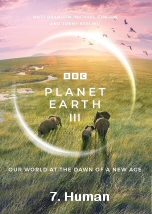
This featured episode of the documentary series takes viewers on a captivating journey around the world, showcasing the astonishing ways in which animals adapt to living alongside humans. In Sauraha, Nepal, a rhino navigates through human-inhabited areas in search of food. In Bali, long-tailed macaques have learned to trade stolen items for food, demonstrating their intelligence and adaptability. The bustling streets of New York City are home to pavement ants that thrive on human leftovers, while in India, revered cobras coexist with humans in a unique cultural relationship. Melbourne, Australia, features nocturnal frogmouths benefiting from urban lighting for hunting, and Lake Tahoe in North America sees black bears adapting to easy food sources in human settlements. The documentary also delves into the challenges faced by wildlife due to human expansion and climate change. It highlights the plight of African elephants in Kenya conflicting with farmers, the impact of overfishing on humpback whales in Vancouver Island, and the dramatic increase of desert locusts in northeastern Africa due to climate-induced conditions. The episode concludes by emphasizing the importance of reimagining our relationship with nature. It suggests a shift towards plant-based diets to reduce agricultural land use and the potential of vertical farming technologies, offering hope and solutions for a sustainable coexistence with wildlife.
Travel back 66 million years to when majestic dinosaurs and extraordinary creatures roamed the lands, seas, and skies in the second season of this acclaimed series narrated by David Attenborough. After a tropical storm, two Zalmoxes find themselves in a rafting event. On a small island, a monumental display takes place as several Hatzegopteryx ambush a herd of Tethyshadros. A female Majungasaurus hunts a group of Simosuchus. A mother Adalatherium raises her offspring in a burrow, hoping to keep them safe from predators like Masiakasaurus and Madtsoia. A pack of Imperobator pursue a Morrosaurus onto a frozen lake. A male Hatzegopteryx attempts to attract a mate.
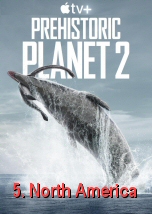
A Tyrannosaurus and two Quetzalcoatlus fight over an Alamosaurus carcass. A shoal of Sphenodiscus are ambushed by a Globidens, intent on surplus killing them. At an evaporating lake, juvenile Pectinodon hunt flies while their father hunts Styginetta. Male Triceratops fight and display for the right to mate. A female Nanuqsaurus hunts Ornithomimus to feed herself and her offpsring.
‘Sugarcane’ is a compelling 2024 documentary that delves into the harrowing legacy of the Canadian Indian residential school system. The film investigates the discovery of unmarked graves at St. Joseph's Mission near Williams Lake, British Columbia, bringing to light the physical and sexual abuses endured by Indigenous children. Through intimate interviews with survivors and their descendants, directors Julian Brave NoiseCat and Emily Kassie reveal the enduring impact of these institutions on Indigenous communities, highlighting their resilience and ongoing quest for justice. The narrative intertwines personal stories with a broader historical context, showcasing the strength and unity of a community confronting its painful past. ‘Sugarcane’ not only exposes the atrocities committed but also celebrates the enduring spirit of Indigenous peoples as they heal and reclaim their cultural identity. This poignant film serves as a testament to their perseverance and the ongoing fight for recognition and reconciliation.
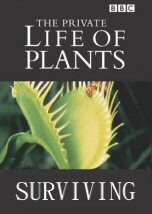
the final episode deals with plants that live in hostile environments. Attenborough visits Ellesmere Island, north of the Arctic Circle, to demonstrate that even in a place that is unconducive to life, it can be found. Algae and lichens grow in or on rock, and during summer, when the ice melts, flowers are much more apparent. However, they must remain close to the ground to stay out of the chilling wind. In the Tasmanian mountains, plants conserve heat by growing into 'cushions' that act as solar panels, with as many as a million individual shoots grouped together as one. Others, such as the lobelia in Mount Kenya, have a 'fur coat' of dense hairs on their leaves. The saguaro cactus in the Sonoran Desert flourishes because of its ability to retain vast amounts of water, which can't be lost through leaves because it has none. Many desert dwellers benefit from an accelerated life cycle, blooming rapidly within weeks after rainfall. Conversely, Mount Roraima is one of the wettest places on Earth. It is a huge sandstone plateau with high waterfalls and nutrients are continuously washed away, so plants have to adapt their diet if they are to survive. A bladderwort is shown invading a bromeliad. Inhabitants of lakes have other problems to contend with: those that dominate the surface will proliferate, and the Amazon water lily provides an apt illustration. Attenborough ends the series with an entreaty for the conservation of plant species.
























The episode also addresses human impact, showcasing the extensive irrigation system in Pakistan and its unintended consequences on local wildlife, like the endangered Indus river dolphin. This captivating chapter not only showcases nature's marvels but also underscores the delicate balance between human needs and wildlife conservation.