The film follows the story of Abu Zubaydah, the first high-value detainee subjected to the CIA's program, of Enhanced Interrogation Techniques (EITs), later identified as torture by those outside the agency. Having never been charged with a crime or allowed to challenge his detention, Zubaydah remains imprisoned at Guantánamo Bay in Kafkaesque limbo, in direct contravention of America’s own ideals of justice and due process. Twenty years on, The Forever Prisoner reveals the origins of the clandestine operations that led the United States, in the 'War on Terror,' on a path of cruelty, deceit, and self-deception. With first-hand accounts from the two interrogators to question Abu Zubaydah, a shocking interview with the chief architect of EITs, and an interview with Daniel Jones, former Senate Investigator, the film uncovers the incompetent and deceptive practices that the U.S. government followed in order to expedite and legalize EITs in the aftermath of 9/11. As a result, torture as a government policy was authorized by the United States for the first time in history.
Annalisa Piras and former editor of The Economist Bill Emmott, which explores the crisis facing Europe. Through case studies of citizens in different countries, the film explores a range of factors that have led to the present crisis, economic and identity challenges across Europe. High-level experts analyse how and why things are going so wrong. The film includes fictional scenes, set in a post-EU future, which feature archaeologist Charles Granda (played by Angus Deayton) travelling on a flight through a menacing storm, explaining to a child passenger what the EU was. Sombre, thought-provoking and witty, the film frames Europe through the eyes of those who have most at stake - the Europeans themselves.
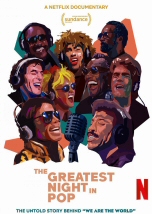
On January 25th, 1985, dozens of the era's most popular musicians gathered in Los Angeles to record a charity single for African famine relief. Setting egos aside, they collaborated on a song that would make history. The documentary transports viewers back to the recording of ‘We Are the World,’ capturing a seminal moment in music with gripping detail and emotion. Through an intimate lens, the film chronicles the night when some of the biggest names in the music industry united for a cause greater than themselves. With exclusive behind-the-scenes footage, candid interviews with the artists involved, and insights from music historians, the documentary reveals the challenges, camaraderie, and sheer talent that converged to make the recording session an unparalleled event in pop culture, making it a poignant reminder of the power of art to effect change.
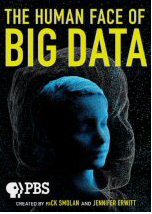
With the rapid emergence of digital devices, an unstoppable, invisible force is changing human lives: Big Data, a word that was barely used a few years ago but now governs the day for many of us. The real time visualization of data streaming in from satellites, billions of sensors and GPS enabled cameras and smart phones is beginning to enable us to sense, measure and understand aspects of our existence in ways never possible before". This massive gathering and analysing of data in real time is also allowing us to address to some of humanity biggest challenges, including pollution, world hunger and illness, and it is also helping create a new kind of planetary nervous system. But as Edward Snowden and the release of the NSA documents have shown, the accessibility of all this data comes at a steep price. The Human Face of Big Data captures the promise and peril of this extraordinary knowledge revolution.
The contests between predators and prey are the most dramatic events in nature. Taking an intimate and detailed look at the remarkable strategies employed by hunters to catch their prey and the hunted to escape. Sir David Attenborough narrates. "The Hardest Challenge" reveals the extraordinary range of techniques predators use to catch their prey - from a leopard using all its powers of stealth to stalk impala in broad daylight to wild dogs, whose tactic is to wear down their prey over long distances; from Nile crocodiles, the planet's most patient predators, to killer whales who use teamwork and intelligence to take on humpback whales. But even with these finely tuned strategies, the outcome is far from certain. Surprisingly, most predators fail most of the time.
Dr Alice Roberts looks at our ancestors' seemingly impossible journey to Australia. Miraculously preserved footprints and very old human fossils buried in the outback suggest a mystery: that humans reached Australia almost before anywhere else. How could they have travelled so far from Africa, crossing the open sea on the way, and do it thousands of years before they made it to Europe? The evidence trail is faint and difficult to pick up, but Alice takes on the challenge. In India, new discoveries among the debris of a super volcano hint that our species started the journey much earlier than previously thought, while in Malaysia, genetics points to an ancient trail still detectable in the DNA of tribes today.
Alice travels deep into the Asian rainforests in search of the first cavemen of Borneo and tests out a Stone Age raft to see whether sea travel would have been possible thousands of years ago, before coming to a powerful conclusion.


























Twenty years on, The Forever Prisoner reveals the origins of the clandestine operations that led the United States, in the 'War on Terror,' on a path of cruelty, deceit, and self-deception. With first-hand accounts from the two interrogators to question Abu Zubaydah, a shocking interview with the chief architect of EITs, and an interview with Daniel Jones, former Senate Investigator, the film uncovers the incompetent and deceptive practices that the U.S. government followed in order to expedite and legalize EITs in the aftermath of 9/11. As a result, torture as a government policy was authorized by the United States for the first time in history.