This gripping five-part docuseries marks the 50th anniversary of the fall of Saigon, revealing how a distant war redefined two nations. With unseen footage, candid interviews, and damning presidential recordings, it exposes the political manipulation, battlefield tragedies, and societal fractures that shaped the Vietnam War. From Washington’s strategic missteps to the raw trauma of those on the ground, it shows how the conflict shattered trust in government and left wounds that still resonate today. The first three episodes trace the war’s slow ignition and its rapid spiral into chaos. They take viewers deep into the secretive early stages of the U.S. military buildup, then shift to the complex realities inside Vietnam, with personal accounts from soldiers on both sides. The series then confronts the shock of the Tet Offensive and the atrocities of Mỹ Lai, dismantling the illusion of a winnable war. These opening chapters set a powerful tone—intimate, harrowing, and unflinchingly honest.
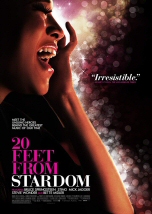
Millions know their voices, but no one knows their names. In his compelling film, award-winning director Morgan Neville shines a spotlight on the untold true story of the backup singers behind some of the greatest musical legends of the 21st century. Triumphant and heartbreaking in equal measure, the documentary is both a tribute to the unsung voices who brought shape and style to popular music and a reflection on the conflicts, sacrifices and rewards of a career spent harmonizing with others. These gifted artists span a range of styles, genres and eras of popular music, but each has a uniquely fascinating and personal story to share of life spent in the shadows of superstardom. Along with rare archival footage and a peerless soundtrack, 20 Feet from Stardom boasts intimate interviews with Bruce Springsteen, Stevie Wonder, Mick Jagger and Sting to name just a few. However, these world-famous figures take a backseat to the diverse array of backup singers whose lives and stories take center stage in the film.
Located beneath Russia's Ural Mountains, Orda Cave is legendary among divers for its unique beauty. The cave's waters are clearest in winter, when the land above lies frozen. With temperatures approaching minus 40 degrees, NHK attempts to film the cave for the first time ever using 4K cameras. Scientists give them insight into the cave's origins, enabling the crew to uncover the miraculous story of how the cave was naturally formed 300 million years ago by climate change and a shifting landscape.
This is the ultimate hidden kingdom - the urban jungle. In the colourful and chaotic streets of Rio, a young marmoset is separated from his street gang and forced to confront of the dangers of the city alone. In the futuristic metropolis of Tokyo, a rhinoceros beetle escapes his captors and begins an extraordinary journey through this alien world to find sanctuary.
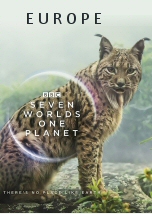
David Attenborough explores the continent of Europe - a crowded continent transformed by mankind, capturing the challenges and triumphs of its wildlife. The documentary showcases remarkable scenes, from pelicans engaging in coordinated fishing tactics to the resilient Iberian lynx fighting for survival. Amidst Europe's evolving environment shaped by human impact, it emphasizes the importance of protecting wilderness to ensure the future of the continent's precious wildlife. We will watch surprising encounters with elusive predators like wolves and lynxes living remarkably close to human communities. The documentary offers a unique glimpse into the intricacies of Europe's ecosystems and the delicate balance between its inhabitants and the changing world around them.
Born in Groot-Zundert, The Netherlands, Van Gogh spent his early life as an art dealer, teacher and preacher in England, Holland and Belgium. His period as an artist began in 1881 when he chose to study art in Brussels, starting with watercolours and moving quickly on to oils. The French countryside was a major influence on his life and his early work was dominated by sombre, earthy colours depicting peasant workers, the most famous of which is The Potato Eaters, 1885. It was during Van Gogh's studies in Paris (1886-8) that he developed the individual style of brushwork and use of colour that made his name. In 1888 he moved to Arles where the Provençal landscape provided his best-known subject matter. However, it also marked the start of his mental crisis following an argument with his contemporary Paul Gauguin. Van Gogh was committed to a mental asylum in 1889 where he continued to paint, but he committed suicide in 1890.












The first three episodes trace the war’s slow ignition and its rapid spiral into chaos. They take viewers deep into the secretive early stages of the U.S. military buildup, then shift to the complex realities inside Vietnam, with personal accounts from soldiers on both sides. The series then confronts the shock of the Tet Offensive and the atrocities of Mỹ Lai, dismantling the illusion of a winnable war. These opening chapters set a powerful tone—intimate, harrowing, and unflinchingly honest.