The meteoric rise of renewable energy has consequences for our electricity supply. While coal and gas fired power stations can generate electricity whenever you need it, renewables are intermittent by nature. So we need a backup plan for when the wind stops or the sun goes down. All over the world, engineers and scientists are racing to solve one key problem; how to safely and efficiently store electricity at a huge scale but at a low cost. The quest is producing some truly remarkable ideas and this episode details three of them.
This is one of the most ambitious animated programmes ever attempted for broadcast TV, recreating every detail of these extraordinary animals in an entirely digital production that stretches the boundaries of broadcast 3D with a scale and ambition normally reserved for Hollywood feature films. Planet Dinosaur 3D is a thrilling and immersive journey into a lost world. Pulling together cutting edge research from around the world this programme uses the latest, stunning fossil evidence to chart the rise and fall of the 'Ultimate Killers'; from the iconic Spinosaurus, the largest predator ever to walk the Earth, to Microraptor and the feathered, flying dinosaurs from China. At last, thanks to the advances in technology, and for the first time ever, these monsters can be experienced in all their full, magnificent wonder.
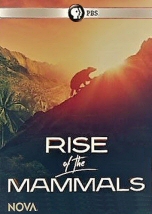
Sixty-six million years ago, an asteroid wiped out the dinosaurs in a fiery global catastrophe. But we know little about how their successors, the mammals, recovered and took over the world. Now, hidden inside ordinary-looking rocks, an astonishing trove of fossils reveals a dramatic new picture of how rat-sized creatures ballooned in size and began to evolve into the vast array of species.
David Attenborough continues his search for the origins of flying animals, as he charts the rise of new, larger creatures – extinct reptiles that flew on wings of skin, dinosaurs that sprouted feathers to become the ancestors of birds, and gliding mammals that emerged from a life in the trees to dominate the night as bats. His journey spans the globe – from the rainforests of Borneo to see bizarre gliding animals, to China and its new discoveries of dinosaur fossils. Stunning CGI brings to life creatures that disappeared over 200 million years ago, and new filming techniques bring us closer than ever to the secrets of flight itself.
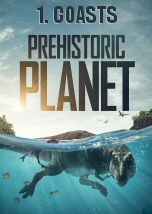
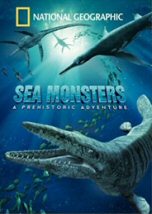
The setting alternates between prehistory and modern day times in which scientists study the fossilized remains of the creatures in the film. In 2009, a group of paleontologists discover a rare fossil in Kansas. The fossil was previously exposed by a summer rain, and it appears to be a marine reptile, tracing back over 70 million years. It was a female Dolichorhynchops and will be the inspiration for telling the story of Dolly, who travels the Kansas Inland Sea, 80 million years ago during the late Cretaceous period with her family. The film brings to life some of the most bizarre, ferocious and fascinating creatures to ever inhabit the ocean, incluing Tylosaurus, Xiphactinus, Cretoxyrhina, and Ammonite. It combines animation with recreations in a 3D prehistoric adventure. A journey to the bottom of the ancient oceans dramatizes awe-inspiring creatures.
Physicist Jim Al-Khalili embarks on an extraordinary quest through 600 million years of evolution to reveal how the human brain — the most complex structure known in the universe — came to exist. With more than 100 billion neurons and 100 trillion connections, it surpasses even the stars of the Milky Way. Through breathtaking science and striking visuals, this documentary uncovers how nature transformed simple nerve cells into the ultimate thinking machine. From the first survival instincts of primates to the dawn of social intelligence, Jim explores how cooperation, relationships and empathy reshaped the brain and made us who we are. Working alongside his wife and leading researchers, he dives into fossil evidence, brain scans and the rise of artificial intelligence to answer one profound question: what makes the biological brain so unique — and can anything ever match it?


















All over the world, engineers and scientists are racing to solve one key problem; how to safely and efficiently store electricity at a huge scale but at a low cost. The quest is producing some truly remarkable ideas and this episode details three of them.