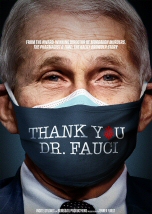
Directed by award-winning filmmaker Jenner Furst, the film delves into the origins of COVID-19, exploring the possibility of a bio-arms race with China and what could be one of the largest cover-ups in modern history. Furst embarks on a quest for answers from Dr. Anthony Fauci, analyzing extensive documents and consulting with scientists, intelligence analysts, former government officials, and whistleblowers. This investigative journey aims to depoliticize a highly controversial topic, presenting an urgent scientific docu-thriller that has been described as "Oppenheimer meets Outbreak." The documentary has garnered attention for its compelling narrative and in-depth investigation. Critics have noted its ability to present complex information in an engaging manner, leaving viewers both informed and intrigued. For those interested in the intricate details of the COVID-19 pandemic's origins and the controversies surrounding it, "Thank You, Dr. Fauci" provides a thought-provoking and meticulously researched perspective.
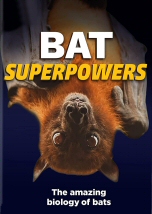
Could the source of the world’s deadliest viruses hold the secret to a healthier and longer life? Bats have a sinister reputation as potential sources for some of the deadliest disease outbreaks: Ebola, MERS, SARS, and most recently, the virus behind the COVID-19 global pandemic. Yet scientists are discovering new evidence that bats are biological marvels and may hold a key to longevity. They’re resistant to the diseases they carry and have freakishly long lifespans for their tiny size. So, what’s their secret? And what else can we learn from their peculiar biology? From caves in Thailand and Texas to labs around the globe, the films meets the scientists who are decoding the superpowers of the bat.
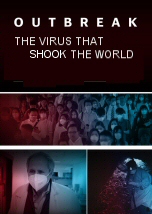
This is the dramatic global story of the first year of COVID-19, tracing the devastation caused by the spread of the virus across four continents. The way in which this coronavirus became COVID-19, transmission from animals to humans, is going on all the time. Habitat loss and live animal trading around the world that foster this is continuing. And therefore, we've got to expect that this will happen again.
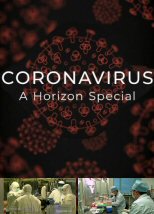
In just over 100 days, a new coronavirus has taken an unprepared world by storm, infiltrating every corner of the globe, sending entire nations into lockdown, killing thousands and infecting countless more. Across the world, governments are scrambling to react, hospitals are struggling to cope and an increasingly anxious public are starting to panic. The world's media is awash with data, information and misinformation. But what are the facts? What is COVID-19 and why is this strain of coronavirus so dangerous? What happens in our bodies when the virus attacks? How does this compare to previous pandemics? What do all the the numbers really mean, and how can data modelling help us look for an exit strategy? This programme investigates the scientific facts and figures behind the biggest public health crisis in living memory, and explores the latest research from the frontline of the medical and scientific fightback.
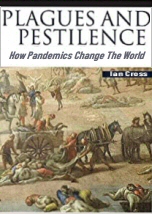
COVID-19 is far from the first pandemic to wreak havoc in the world. A long line of infectious diseases have devastated and in some cases destroyed entire societies. Almost all of them started in animals and made the jump to humans. The Black Death spread across Europe and Asia in the 14th century leaving millions dead in its wake. Between the 15th and 18th centuries, European colonists brought smallpox to the Americas, the Pacific region and to Australia. In Europe, the 17th century saw a series of major epidemics. And at the end of the First World War, more people died of the Spanish flu than on the battlefield. This documentary examines the causes of these epidemics - whether it be lack of hygiene, interaction with animals, overcrowding, or the growth of cities - and how people travelling helped to spread disease and promote pandemics. It also sheds a light on the impact these infectious diseases have had on politics and societal change. Over the centuries, scientists managed to develop treatments and medicines to help control or even eradicate infectious diseases. Virologists are facing that task again with the coronavirus, as the world frantically searches for ways to overcome a pandemic which threatens our modern way of life.
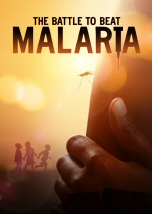
Of all the diseases that plague humankind, malaria has put up one of the longest, toughest fights. More than 200 million people fall ill and 600,000 die of it every year, making it among the world’s deadliest diseases. The vast majority of those fatalities are young children - an average of one child every minute. But medical science may now be at an exciting turning point. Filmed with intimate access to key scientists on four continents, this documentary tells the inside story of the development of a new malaria vaccine that could change the very nature of the fight. It's hoped that the vaccine, dubbed R21/Matrix-M and developed by many of the same team behind the Oxford/AstraZeneca Covid-19 vaccine, will be the first to meet the World Health Organization’s target of 75 per cent efficacy.
















The documentary has garnered attention for its compelling narrative and in-depth investigation. Critics have noted its ability to present complex information in an engaging manner, leaving viewers both informed and intrigued. For those interested in the intricate details of the COVID-19 pandemic's origins and the controversies surrounding it, "Thank You, Dr. Fauci" provides a thought-provoking and meticulously researched perspective.