The setting alternates between prehistory and modern day times in which scientists study the fossilized remains of the creatures in the film. In 2009, a group of paleontologists discover a rare fossil in Kansas. The fossil was previously exposed by a summer rain, and it appears to be a marine reptile, tracing back over 70 million years. It was a female Dolichorhynchops and will be the inspiration for telling the story of Dolly, who travels the Kansas Inland Sea, 80 million years ago during the late Cretaceous period with her family. The film brings to life some of the most bizarre, ferocious and fascinating creatures to ever inhabit the ocean, incluing Tylosaurus, Xiphactinus, Cretoxyrhina, and Ammonite. It combines animation with recreations in a 3D prehistoric adventure. A journey to the bottom of the ancient oceans dramatizes awe-inspiring creatures.
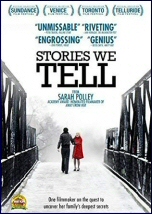
Polley is both filmmaker and detective as she investigates the secrets kept by a family of storytellers. She playfully interviews and interrogates a cast of characters of varying reliability, eliciting refreshingly candid, yet mostly contradictory, answers to the same questions. As each relates their version of the family mythology, present-day recollections shift into nostalgia-tinged glimpses of their mother, who departed too soon, leaving a trail of unanswered questions. Polley unravels the paradoxes to reveal the essence of family: always complicated, warmly messy and fiercely loving. Stories We Tell explores the elusive nature of truth and memory, but at its core is a deeply personal film about how our narratives shape and define us as individuals and families.
Follow the Manhattan-based Colin Beavan and his family as they abandon their high consumption 5th Avenue lifestyle and try to live a year while making no net environmental impact. The documentary follows this family during their year-long experiment to reduce their carbon-footprint.
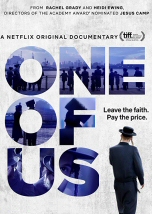
The film explores the opaque world of Hasidic Judaism through a cadre of fascinating characters. Through unique and intimate access over the span of three years, acclaimed observational filmmakers Heidi Ewing and Rachel Grady delve into the lives of three brave individuals who have recently made the decision to leave the insular ultra-orthodox community at the expense of all else, including relationships with their family members and--in one case--their personal safety. With a sensitive and compassionate eye, One of Us chronicles the achingly cinematic journey of people in search of a personal freedom that comes only at a very high cost.
This documentary chronicles the triumphs and hurdles of brothers Barry, Maurice and Robin Gibb, otherwise known as the Bee Gees. The iconic trio, who found early fame in the 1960s, went on to write over 1,000 songs, including twenty #1 hits throughout their storied career. The film follows the Bee Gee’s meteoric rise as they rode the highs of fame and fortune, negotiated the vagaries of the ever-shifting music business and navigated the complexities of working so intimately alongside family. The story takes us from their childhood in 1950s Australia to the artistic crucible of 1960s London and to the sundrenched coast of Miami, Florida. The band created a distinct sound with their three-part harmonizing, their melodic voices forming a new kind of instrument.
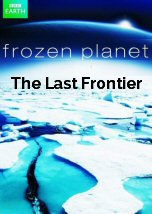
The documentary series reveals the extraordinary riches and wonders of the Polar Regions that have kept people visiting them for thousands of years. Today, their survival relies on a combination of ancient wisdom and cutting-edge science. Most Arctic people live in Siberia, either in cities like Norilsk - the coldest city on earth - or out on the tundra, where tribes like the Dogan survive by herding reindeer, using them to drag their homes behind them. On the coast, traditional people still hunt walrus from open boats - it is dangerous work, but one big walrus will feed a family for weeks. Settlers are drawn to the Arctic by its abundant minerals; the Danish Armed Forces maintain their claim to Greenland's mineral wealth with an epic dog sled patrol, covering 2,000 miles through the winter. Above, the spectacular northern lights can disrupt power supplies so scientists monitor it constantly, firing rockets into it to release a cloud of glowing smoke 100 kilometres high. In contrast, Antarctica is so remote and cold that it was only a century ago that the first people explored the continent. Captain Scott's hut still stands as a memorial to these men. Science is now the only significant human activity allowed; robot submarines are sent deep beneath the ice in search of new life-forms, which may also be found in a labyrinth of ice caves high up on an active volcano. Above, colossal balloons are launched into the purest air on earth to detect cosmic rays. At the South Pole there is a research base designed to withstand the world's most extreme winters. Cut off from the outside world for six months, the base is totally self-sufficient, even boasting a greenhouse.


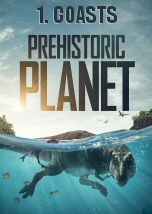









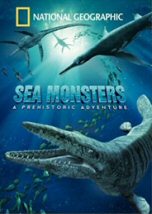







The film brings to life some of the most bizarre, ferocious and fascinating creatures to ever inhabit the ocean, incluing Tylosaurus, Xiphactinus, Cretoxyrhina, and Ammonite. It combines animation with recreations in a 3D prehistoric adventure. A journey to the bottom of the ancient oceans dramatizes awe-inspiring creatures.