How is the universe put together? How is it built? And how does it actually work? How the Universe Works Series 8 shows the inner workings of our planet, the solar system, the galaxies and the universe itself. In the first episode, if a massive asteroid collides with earth, it could end life on our planet as we know it. New discoveries and cutting-edge tech reveal just how close we are to apocalypse and what it would take for the world's leading space agencies to stop it.
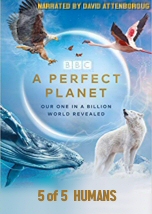
A new force threatens our perfect planet. In the past, five mass extinction events were caused by cataclysmic volcanic eruptions. It was not the lava or ash that wiped out life, but an invisible gas released by volcanoes: carbon dioxide. Almost every part of modern life depends on energy created by burning fossil fuels, and this produces CO2 in huge amounts. Humans are changing our planet so rapidly, it’s affecting earth’s life support systems: our weather, our oceans and the living world. The greatest change to be made is in how we create energy, and the planet is brimming with natural power that can help us do just that. It’s these forces of nature - the wind, the sun, waves and geothermal energy - that hold the key to our future. Through compelling animal-led stories and expert interviews, we discover how CO2 is destabilising our planet. We meet rescued orphaned elephants in Kenya, victims of ever worsening droughts, and join ocean patrols off the coast of Gabon fighting to save endangered sharks. In the Amazon, we witness wildlife teams saving animals in the shrinking forests, and in San Diego we enter a cryogenic zoo preserving the DNA of endangered species before they become extinct.
Genetic breakthroughs have shed light on how life evolves in real-time. From filling in the missing links to creating a new species, in the last 50 years scientists have solved some of the biggest mysteries of evolution. In this episode, we look at revolutionary discoveries that shook the world and may shape our future.
Beneath Yellowstone National Park, lies the biggest volcano on Earth. An eruption in the past was so big it plunged the earth into a volcanic winter that lasted years. A super-eruption would be more than millions of Hiroshima bombs going off all at once. It would be even worse than an asteroid impact: Entire cities lost beneath ash, people and animals crushed alive, power networks destroyed, sun dimmed across the globe, harvests failed, widespread famine.
Could this nightmare really happen? We will use the latest scientific data to uncover the danger beneath us, as we see our planet like never before.
In the last episode we are taken on a gripping journey into the lives of a magnificent family of tigers in Bandhavgarh, India. This family, led by a tigress named Raj Bera, faces numerous challenges and triumphs. As we delve into their world, we witness the extraordinary bonds, fierce determination, and the will to survive against all odds. Raj Bera is the matriarch who must teach her cubs the essential skills they need to thrive in the wild. Her cubs are not only the heirs to her dynasty but also the future of the tiger species itself. In a land with increasing human encroachment and threats of poaching, the family's story is not only an intimate portrayal of their lives but also a glimpse into the larger conservation efforts to save these magnificent creatures from extinction. Throughout the documentary, you'll see breathtaking scenes of tiger family dynamics, from nurturing to hunting, as they navigate their way through the challenging Indian landscape. The captivating narrative underscores the urgent need for protecting these remarkable animals and the critical importance of providing them with the space to preserve their ancient heritage. The film is a moving and eye-opening exploration of these majestic creatures and the dedicated conservationists working tirelessly to ensure their survival. It is a must-watch for anyone interested in the natural world and the future of one of the most iconic and endangered species on our planet.
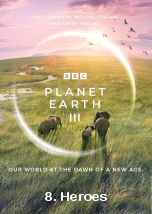
In this captivating final episode of the series we meet some incredible conservation champions on nature's front line, fighting to preserve the future of our beautiful planet. The episode opens with a dramatic rescue operation for the critically endangered black rhino, showcasing the efforts of Dumi Zwane and his team to establish a new breeding colony in a safe haven. The focus then shifts to the Centro Jambatu research center in the Andes, where Jaime Culebras works tirelessly to save the last of certain frog species. The documentary also highlights the efforts of Trang Nguyen, who bravely infiltrates the illegal wildlife trade in West Africa to protect forest elephants from ivory poachers. Meanwhile, in Vienna, Katharina Huchler undertakes a remarkable journey to reintroduce the northern bald ibis to Europe after its extinction 400 years ago. Indigenous leader Alessandra Korap's battle to preserve the Amazon rainforest from exploitation is a key focus, alongside Mohamed Nasheed's fight against climate change to save coral reefs and his country. This episode addresses the broader issue of habitat destruction, emphasizing its role as a primary driver of extinction. It poignantly demonstrates the interconnectivity of life on Earth and the critical importance of conservation efforts.




























In the first episode, if a massive asteroid collides with earth, it could end life on our planet as we know it. New discoveries and cutting-edge tech reveal just how close we are to apocalypse and what it would take for the world's leading space agencies to stop it.