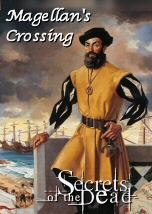
Ferdinand Magellan and Juan Sebastian Elcano set sail to gain control of the global spice trade, but end up becoming the first expedition to circumnavigate the earth. The yearslong voyage—along with the suffering, the violence and the loss of life and property—were all in pursuit of a shorter route to the so-called Spice Islands (now the Maluku Islands) and their much-coveted aromatics. The film puts in perspective the 16th century—the Age of Exploration, the Age of Discovery and the Age, problematically, of Colonialism. It also was an age of heroes. As the documentary insists, the journeys undertaken by the men whose names we learned in grade school and whose exploits straddled the 1400s and 1500s—including Ponce de Leon, Vasco da Gama, Lope de Aguirre and even Columbus—were about money, sometimes trade, sometimes plunder. But just as advances in medicine have often been propelled by war, knowledge about the world has been a byproduct of profit-seeking. Likewise, heroism.
Arrested and charged in 2019 with child sex trafficking, Jeffrey Epstein took his own life while behind bars in a federal prison of New York City in unclear circumstances. Many claim that Epstein had an international sex trafficking ring and he would take a lot of people down. Epstein signed a will two days before he committed suicide to move his money over to the Virgin Islands. It made it much more difficult for the victims to get restitution. Nor would the survivors see him in jail for life. But the judge was going to let some of the victims have their day in court.
Jeffrey Epstein brokers a plea deal that's unprecedented in its leniency, and a survivor opens up about the horrors she endured on his private island. Epstein Jeffrey shared his island with a lot of powerful and well-known figures, both politically and financially.
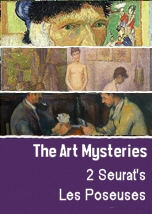
Hanging in the Barnes Foundation in Philadelphia, Seurat’s Les Poseuses is probably his least-known painting. It is also a picture brimming with codes and hidden meanings. It shows three nudes in the artist’s studio, but included in the background is Seurat’s famous masterpiece, A Sunday Afternoon on the Island of La Grande Jatte. Why is it there? What is it trying to say? Why two pictures at once? Waldemar Januszczak investigates.
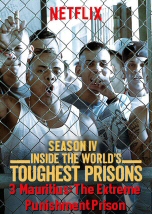
The tropical island of Mauritius is home to Melrose maximum security prison, where 800 of the country's worst drug smugglers, sex offenders and murderers are locked up. Every convict is watched day and night and even the smallest infraction is met with extreme punishment.
In the aftermath of Japan’s devastating attack on the US Pacific fleet at Pearl Harbor, the Japanese Imperial Navy moves in for a knockout blow. A surprise attack against the island of Midway is planned to draw the remaining American aircraft carriers out for a decisive battle. Admiral Yamamoto devises a meticulous plan. But the attack is in the hands of his by-the-book Admiral, Nogumo. When a genius American code-breaker unearths their plans – the Japanese attack is thrown into chaos.





















The film puts in perspective the 16th century—the Age of Exploration, the Age of Discovery and the Age, problematically, of Colonialism. It also was an age of heroes. As the documentary insists, the journeys undertaken by the men whose names we learned in grade school and whose exploits straddled the 1400s and 1500s—including Ponce de Leon, Vasco da Gama, Lope de Aguirre and even Columbus—were about money, sometimes trade, sometimes plunder. But just as advances in medicine have often been propelled by war, knowledge about the world has been a byproduct of profit-seeking. Likewise, heroism.