David Attenborough explores the continent of Europe - a crowded continent transformed by mankind, capturing the challenges and triumphs of its wildlife. The documentary showcases remarkable scenes, from pelicans engaging in coordinated fishing tactics to the resilient Iberian lynx fighting for survival. Amidst Europe's evolving environment shaped by human impact, it emphasizes the importance of protecting wilderness to ensure the future of the continent's precious wildlife. We will watch surprising encounters with elusive predators like wolves and lynxes living remarkably close to human communities. The documentary offers a unique glimpse into the intricacies of Europe's ecosystems and the delicate balance between its inhabitants and the changing world around them.
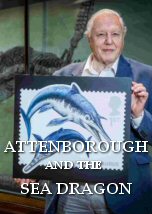
A remarkable 200-million-year-old fossil - the bones of an ichthyosaur, a giant sea dragon - has been discovered on the Jurassic coast of Britain. David Attenborough joins the hunt to bring this ancient creature's story to life. Using state-of-the-art imaging technology and CGI, the team reconstruct the skeleton and create the most detailed animation of an ichthyosaur ever made. Along the way, the team stumble into a 200-million-year-old murder mystery - and only painstaking forensic investigation can unravel the story of this extraordinary creature's fate.
Nearly a generation after the acclaimed Blue Planet documentary was released, David Attenborough returns to narrate this groundbreaking sequel/reboot. Blue Planet II focuses more heavily on mankind's influence on the world's oceans through both global pollution and climate change. This series features a variety of revolutionary segments never before seen in a video documentary. One Ocean Footage of marine life in different environments around the north, beginning with a tropical coral reef which has medicinal properties for dolphins, and is used as a tool by tusk fish. In Japan, a shipwreck is home to the Asian sheepshead wrasse, which can change gender, while in the polar north, walruses struggle to find ice floes for their pups to rest on as climate change takes its toll on the environment.
Blue Planet II explores parts of the ocean that nobody has ever visited, encountered extraordinary animals, and discovered new insights into life beneath the waves. In Our Blue Planet, Sir David Attenborough examines the impact of human life on life in the ocean. In this final episode, we uncover the impact that our modern lives are having on our best-loved characters from across the series, including devoted albatross parents unwittingly feeding their chicks discarded plastic and mother dolphins potentially exposing their new born calves to pollutants through their contaminated milk. Scientists have even discovered that increasing noise levels may stop baby clownfish finding their way home.
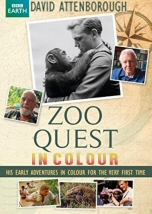
Thanks to a recent remarkable discovery in the BBC's Film Vaults, the best of David Attenborough's early Zoo Quest adventures can now be seen as never before - in colour - and with it the remarkable story of how this pioneering television series was made. First broadcast in December 1954, Zoo Quest was one of the most popular television series of its time and launched the career of the young David Attenborough as a wildlife presenter. Zoo Quest completely changed how viewers saw the world - revealing wildlife and tribal communities that had never been filmed or even seen before. Broadcast ten years before colour television was seen in the UK, Zoo Quest was thought to have been filmed in black and white. Until now. Using this extraordinary new-found colour film, together with new behind the scenes stories from David Attenborough and cameraman Charles Lagus, this 90 minute special showcases the very best of Zoo Quest to West Africa, Zoo Quest to Guiana and Zoo Quest for a Dragon in stunning HD colour for the very first time.
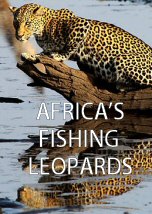
David Attenborough narrates the intimate story of a leopard mother and her two cubs. This very special family must survive in the wilds of Botswana alongside some less-than-friendly neighbours: lions, wild dogs and hyenas. The competition for food is tough, and if they are going to make it they must learn a new skill - they must learn to fish. This is an epic family drama. With them every step of the way is local cameraman Brad Bestelink. Brad's 18-month journey following the lives of these secretive big cats offers a rare glimpse into an otherwise hidden world.







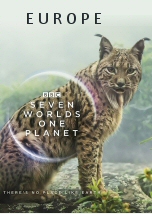








We will watch surprising encounters with elusive predators like wolves and lynxes living remarkably close to human communities. The documentary offers a unique glimpse into the intricacies of Europe's ecosystems and the delicate balance between its inhabitants and the changing world around them.