






Last Watched

"Marine"  Sort by

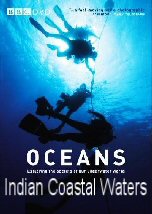
The Indian Ocean Coastal Waters

   2009    Nature
The tropical Indian Ocean is home to the Spice Islands. Characterised by beautiful sandy beaches, fringing coral reefs and coastal mangrove forests, this is a vibrant nursery area for marine life, such as whale sharks, crabs, seahorses and a great variety of fish. The coastal areas are where humans have the most direct impact on the ocean's resources.
Series: Oceans
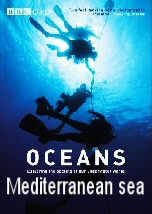
The Mediterranean Sea

   2009    Nature
The sparkling blue waters of the Mediterranean Sea are home to over 700 varieties of fish and almost 10 per cent of the world's marine species. Its coastline is one of the most densely populated in the world and the human pressure on this sea is magnified each summer with the influx of holiday makers. Western civilisation developed around these shores but now human activity is having a profound effect on this endangered sea.
Series: Oceans

Encounters at the End of the World

   2007    Nature
In this visually stunning exploration, Herzog travels to the Antarctic community of McMurdo Station, headquarters of the National Science Foundation and home to 1,100 people during the austral summer (Oct-Feb). Over the course of his journey, Herzog examines human nature and Mother nature, juxtaposing breath taking locations with the profound, surreal, and sometimes absurd experiences of the marine biologists, physicists, plumbers, and truck drivers who choose to form a society as far away from society as one can get.

Galapagos: Born of Fire

   2006    Nature
Natural history series exploring the Galapagos Islands, which lie 1,000 kilometres off the coast of South America. This programme examines the fascinating stages of the islands' lives and how a variety of creatures have found ways to survive, including marine iguanas, sea-going lizards and giant tortoises.
Series: Galapagos

Penguin Shores

   2005    Nature
A dramatic journey along the coasts of South America, from the Falklands to the tropical Galapagos. The cold currents create rich fisheries, and support such diverse marine life as dolphins, killer whales, sea lions and albatross. But the most biquitous creatures are the penguins, which inhabit surprising locations - lush forest, arid desert and even equatorial areas.
Series: Wild South America

Evolution: Great Transformations

   2004    Science
What triggered the incredible diversity of life on Earth, and how have complex life forms, including humans, evolved? Is there direction to evolution? And is human intelligence inevitable? This program focuses on evolution's 'great transformations' —among them the development of a standard four-limbed body plan, the journey from water to land, the return of marine mammals to the sea, and the emergence of humans. Driven by a combination of opportunism and a genetic 'toolkit', these astounding leaps forward define the arc of evolution. And they suggest that every living creature on earth today, and every species that has ever existed, is a variation on a grand genetic theme—a member of one, and only one, tree of life
Series: Evolution