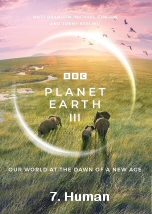
This featured episode of the documentary series takes viewers on a captivating journey around the world, showcasing the astonishing ways in which animals adapt to living alongside humans. In Sauraha, Nepal, a rhino navigates through human-inhabited areas in search of food. In Bali, long-tailed macaques have learned to trade stolen items for food, demonstrating their intelligence and adaptability. The bustling streets of New York City are home to pavement ants that thrive on human leftovers, while in India, revered cobras coexist with humans in a unique cultural relationship. Melbourne, Australia, features nocturnal frogmouths benefiting from urban lighting for hunting, and Lake Tahoe in North America sees black bears adapting to easy food sources in human settlements. The documentary also delves into the challenges faced by wildlife due to human expansion and climate change. It highlights the plight of African elephants in Kenya conflicting with farmers, the impact of overfishing on humpback whales in Vancouver Island, and the dramatic increase of desert locusts in northeastern Africa due to climate-induced conditions. The episode concludes by emphasizing the importance of reimagining our relationship with nature. It suggests a shift towards plant-based diets to reduce agricultural land use and the potential of vertical farming technologies, offering hope and solutions for a sustainable coexistence with wildlife.
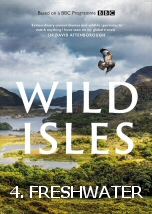
This episode takes you on an enchanting journey through the vital waterways of Britain and Ireland. From the serene reed-beds of Somerset to the bustling ecosystems of Scotland's lochs, the film unveils the intricate dance of life sustained by freshwater. Marvel at the agility of dragonflies and the aerial prowess of hobbies, witness the arduous journey of Atlantic salmon as they return to their birthplaces to spawn, and observe the fascinating life cycle of the mayfly. Discover the impact of reintroduced beavers in Scotland, creating new wetlands that buzz with life. The episode doesn't shy away from showcasing the challenges these ecosystems face, from climate change to pollution, emphasizing the delicate balance that sustains these vibrant freshwater habitats. ‘Freshwater’ is a mesmerizing ode to the streams, rivers, and lakes that are the lifeblood of the Britain and Ireland isles, supporting a diverse array of life in one of the planet's most beautiful settings.
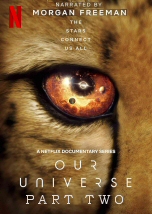
In the captivating second part of “Our Universe”, chapters 4 to 6 are presented together in an unmissable journey through the cosmos and life on Earth. These episodes delve deep into the elements that formed our world, the essential role of water, and the unseen forces that shape our lives. They offer an enthralling exploration of our place in the Universe. Dive in to experience this profound story of existence, from stardust to soulmates. In the fourth chapter, we uncover how the elements essential to life were forged in the hearts of stars. Following a green sea turtle’s quest across the ocean for these elements, this episode reminds us that life is built from the remnants of ancient stars. The fifth chapter takes us back to the miraculous arrival of water on Earth, exploring how this vital substance transformed a barren landscape into a thriving blue planet. In the final chapter we witness gravity’s grand influence on life, following two king penguins as their journey of attraction and survival unfolds against the cosmic force that binds us all.
In the sixth episode, you’ll journey through Asia’s vast deserts and steppes, where life thrives against all odds. Meet the elusive Gobi bear, one of the rarest mammals on Earth, scent-marking ancient trees in its territory. In the densely populated Thar Desert, thousands of demoiselle cranes migrate from Siberia to be greeted with offerings of grain by the local Jain community. Discover how wild horses and gazelles endure harsh conditions and outsmart predators. This chapter reveals the remarkable resilience and adaptability of wildlife in one of the planet’s most unforgiving environments.
In the third episode you can see an extraordinary journey through the frigid realms of northern Asia. This captivating documentary unveils the remarkable strategies employed by wildlife to endure and flourish amidst relentless snow and ice. Witness the stealth and agility of Himalayan wolves as they pursue the swift chiru antelope across vast, frozen terrains. Observe the delicate courtship rituals of red-crowned cranes, mastering intricate mating dances in the snow-laden landscapes. Delve into the secluded habitats of the elusive Amur tigers, navigating the dense, frost-covered forests where Russia, China, and North Korea converge—a region also inhabited by the world's largest owls. Each scene offers a profound glimpse into nature's resilience and adaptability in some of the planet's most unforgiving environments.
In Episodes 4–6, the journey takes an awe-inspiring turn through Norway’s dramatic fjords and along roads carved through towering cliffs. Ewan and Charley are captivated by centuries-old Viking churches and mysterious stone formations that whisper tales of the past. Their adventure shifts gears with a breathtaking detour to the Arctic archipelago of Svalbard, where melting glaciers and ghostly landscapes reveal the stark reality of a warming planet. As they venture deep into Lapland, isolation, snow-covered silence, and moments of wonder test their resolve and deepen their bond in unexpected ways.








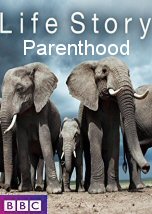












Melbourne, Australia, features nocturnal frogmouths benefiting from urban lighting for hunting, and Lake Tahoe in North America sees black bears adapting to easy food sources in human settlements. The documentary also delves into the challenges faced by wildlife due to human expansion and climate change. It highlights the plight of African elephants in Kenya conflicting with farmers, the impact of overfishing on humpback whales in Vancouver Island, and the dramatic increase of desert locusts in northeastern Africa due to climate-induced conditions.
The episode concludes by emphasizing the importance of reimagining our relationship with nature. It suggests a shift towards plant-based diets to reduce agricultural land use and the potential of vertical farming technologies, offering hope and solutions for a sustainable coexistence with wildlife.